
Guides
Final Fantasy Resonance Beginner Guide: Stagger, Visions, and What the Demo Won't Teach You
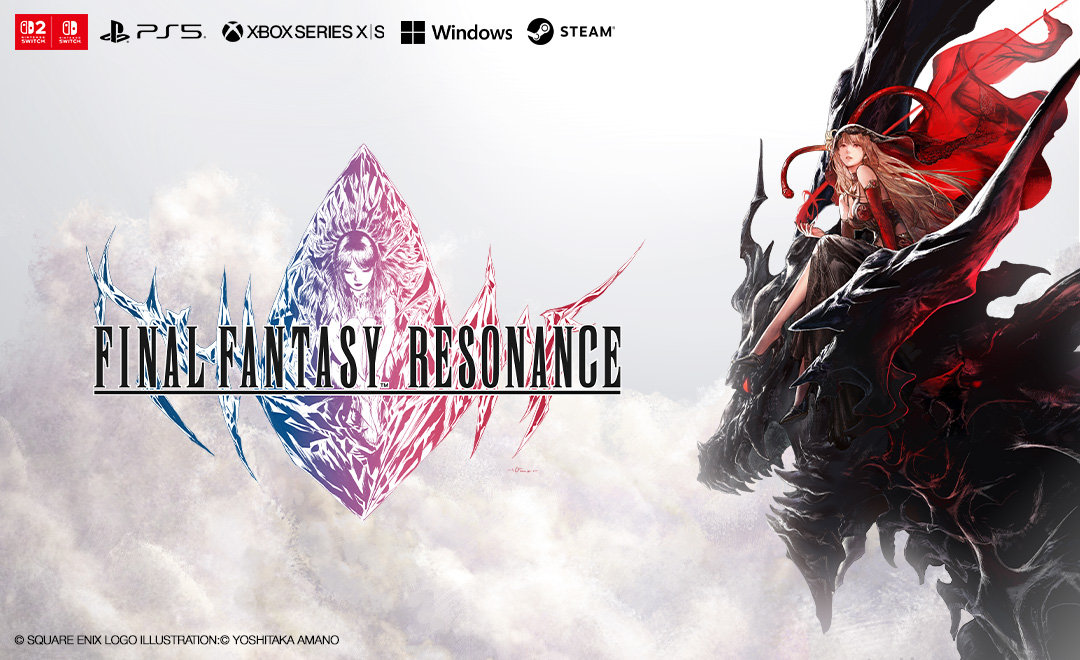
Source: Square Enix (official art)
Final Fantasy Resonance launches October 22 on PlayStation 5, Xbox Series X|S, Nintendo Switch, Switch 2, and PC — and if the demo taught us anything, it's that this isn't a game you can button-mash through. This Final Fantasy Resonance beginner guide breaks down the stagger system, Sweeping Staggers, Vision mixing, and the handful of combat rules the tutorial glosses over, so your first boss fight doesn't feel like a pop quiz you didn't study for.
The setup: you're following Rain, an airship squadron commander, and his deputy Lasswell through the Kingdom of Grandshelt after the Earth Crystal shatters. It's the first story arc of the mobile game Final Fantasy Brave Exvius, rebuilt as the series' first HD-2D title. Square Enix publishes, Lancarse co-develops, and producer Furuya has said the difficulty is deliberately challenging — the game wants you to think. Good. Here's how.
Final Fantasy Resonance beginner guide, rule one: learn the timeline
Resonance is turn-based with no ATB gauge. Instead, a timeline across the top of the screen shows the action order of allies and enemies through the next turn, left to right. Turn order depends on speed, and you can manipulate it: slow enemies, speed up your party, and plan around who acts when.
This is your primary mental model for every fight. Don't just pick the biggest attack on the character whose turn it is — look at what's coming. If a boss is about to act before your healer, that changes everything. And pay attention to Lid: she can pass her turn to an ally who has just acted, which turns turn order into a resource you can spend. A boss fight is often decided two turns before the killing blow, in how you stacked the timeline.
The stagger gauge is the game
Under every enemy's HP bar sits a stagger gauge, and breaking it is the single most important thing you do in combat. Each skill shows how much damage and stagger it will do before you commit, and hitting an elemental weakness breaks the gauge faster. Drain it and the enemy can't act on its turn while its defense drops — which is the game practically handing you a damage window.
Some skills lean stagger-focused, others damage-focused, most sit somewhere between. The beginner trap is loading up on raw damage and ignoring stagger entirely. Don't. A staggered enemy is an enemy that isn't killing you, and in a game tuned harder than most modern JRPGs, that matters more than your damage numbers.
Buff before you sweep: the Sweeping Stagger combo
Here's where Resonance gets its teeth. Stagger one enemy and you get a bonus phase with an extra action. Stagger every enemy on the field at once and you trigger a Sweeping Stagger: the entire party acts again, back to back, and the extra phase ends with a Resonance — each Vision's signature special move, complete with its own pre-rendered cinematic, hitting hard or adding effects like AoE damage.
The advanced play is timing your setup. Buff up the turn before a Sweeping Stagger, then chain your biggest skills or Limit Bursts, then finish with the Resonance. Limit Bursts fill as characters take damage — later you'll get multiple bars and costlier bursts — so there's genuine strategy in letting a tank eat hits to fund your sweeper's turn. Espers like Siren, unlocked through the story and side quests, fight for three turns and leave with a finishing move, which makes them perfect sweep openers.
Visions are not jobs — mix and match
Forget job classes. Resonance's Vision system is Square Enix's evolved take on the job system, and it works through abilities: equip a Vision, win battles to unlock its abilities, and a learned ability stays equippable under a different Vision as long as your loadout stays inside its cost limit.
In practice, that means you can build the character you want instead of the one the game assigned. One crystal per character, 26 Visions in the roster — including faces from across the series' history — unlocked through Sanctums of Light, story scenes, and side content. The cost cap is what keeps this honest: you can't have everything, so the interesting decisions live in which learned abilities you port onto which Vision. Experiment early, because respec pressure is low and the demo doesn't show you half of what's possible.
Your starting party and how to think about it
Rain and Lasswell open the game, with Fina joining as the mysterious girl with no memories, plus Jake and Lid as the story opens up. Don't rebuild the whole party around an online tier list you found in Chapter 1 — the demo is structured as three drills for a reason. Drill one: the timeline. Drill two: break a stagger on purpose before you finish the demo, or you've wasted the classroom. Drill three: figure out which Vision sits on whom and what each one is actually teaching you.
Your demo save is meant to carry story flags, party membership, and earned Visions into the full game, so the demo hours count. Play them like they do.
Dial the settings before you complain
The design goal, per the developers, is quick and simple for mobs and slow and steady for bosses — and if the default pace feels off, the game gives you tools. Battle speed runs at 1.5x and 2.0x, difficulty options are there for players who want a gentler ride, and there's no shame in using them while you learn the timeline.
At $49.99 on Xbox (check your platform's store for local pricing), Resonance is priced as a full-fat RPG — and it plays like one that respects your time. Go in understanding the stagger, respect the timeline, and remember: the tutorial teaches you the buttons. This guide taught you the fight.
New to the series? Our Final Fantasy Resonance review has the full verdict, and if you prefer your RPGs grimmer, the Valor Mortis beginner guide covers this month's other punishing launch.