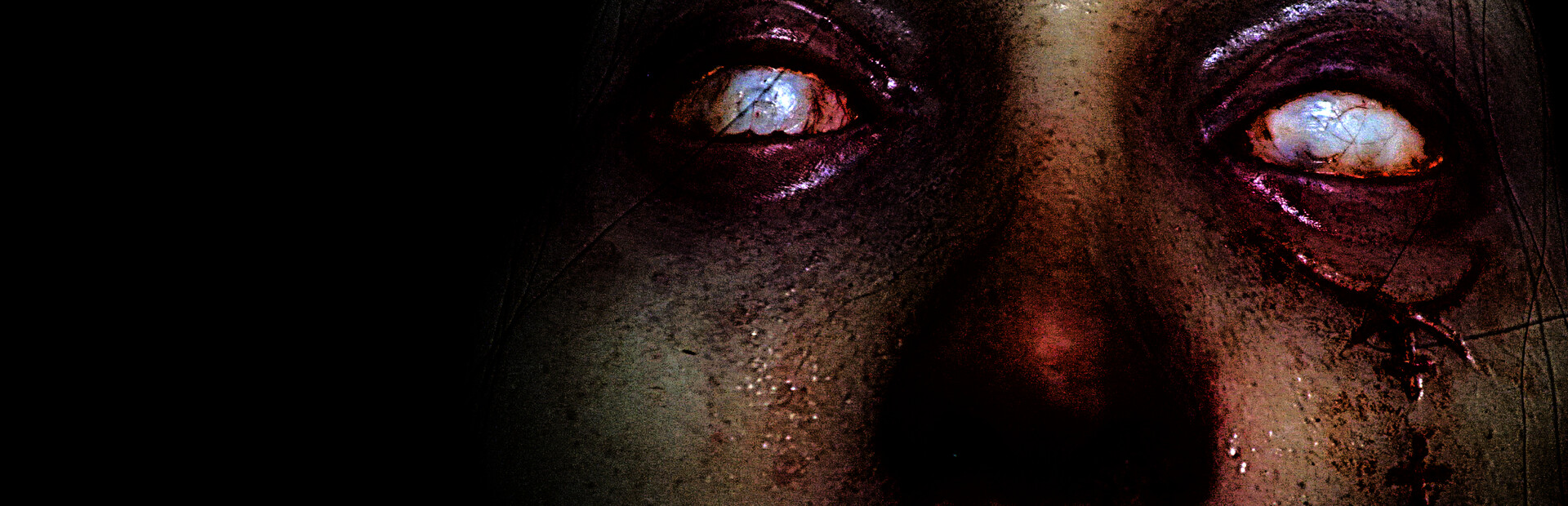
Source: New Blood Interactive (official key art via Steam)
8.0
8.0/10 · Great
Strengths
The pixel-art to live-action transitions are a genuine standout trick, executed with real practical effects and monster makeup
Authentic classic survival-horror DNA: limited ammo, tense exploration, and pacing that channels Silent Hill and Resident Evil rather than quoting them
An emotionally grounded, meta story about a fractured relationship with multiple endings and a tight runtime that never overstays its welcome
Weaknesses
Clunky combat and stiff controls with sharp difficulty spikes in boss fights
Some puzzles are obtuse and illogical, breaking momentum when you get stuck
The gameplay doesn't always live up to the concept's ambition, and launch coverage was thin in a crowded October
How we score: this verdict is our editorial take, based on launch coverage, critical reception and community feedback.
This Tenebris Somnia review is an editorial verdict synthesized from launch coverage, critical reception, and community feedback — not a first-person account. And the evidence points to something rare: a horror game trying a trick nobody else is doing, and mostly pulling it off.
What Tenebris Somnia actually is
Released October 16, 2026 on PC, PS5, Xbox Series X|S, and Switch, Tenebris Somnia is a 2D retro survival-horror adventure from Andrés Borghi and Saibot Studios (the Toby creative duo), published by New Blood Interactive — the label behind FAITH: The Unholy Trinity, so it has indie-horror pedigree. You play Julia, exploring a disturbing house sliding into a cult-infested hellscape, solving puzzles, rationing ammo, and fighting creatures across multiple endings. Standard survival-horror grammar, 16-bit pixel art.
Then the screen cuts to live action.
The game's hook is that its cutscenes are full live-action FMV, shot by an award-winning Argentine film crew, with actress Clara Kovacic as Julia. The pixel-art monsters and rooms are recreated for real — latex, makeup, real actors, down to the cracked picture frames on the walls — and the transitions between sprite and flesh are the standout trick of the year. It gives the horror a different, physical texture from glossy engine horror. ScreenRant called it "Backrooms meets Resident Evil" in a 9/10 review, and Noisy Pixel went 90/100, calling it a standout multimedia experience. OpenCritic sits at 89% recommending; Steam user reviews hold around 93-95% positive.
Tenebris Somnia review: what works
The first strength is authenticity. The survival-horror DNA here is real — limited ammo, careful exploration, fixed pacing that channels Phantasmagoria as much as Resident Evil. It doesn't just name-drop the classics; it plays like it understands them. The second is the story's emotional grounding. Beneath the pixel monsters is a fractured relationship between Julia and her ex, Ivan, an indie filmmaker — a meta layer, since the game itself is literally about movie-making. Multiple endings, a tight runtime, no bloat.
The third is the FMV itself. Players across Steam and ResetEra threads keep landing on the same point: the live-action segments are the best part. When a latex monster steps out of a sprite background and into film, the seam between the two worlds is the scare. No one else is doing this in 2026.
Where it stumbles
The gameplay is the weak leg, and every skeptical review names the same culprits. Shacknews landed at 70/100, GameWatcher at 75 — both flagged clunky combat, stiff controls, and sharp difficulty spikes in boss fights. Gameliner and Kakuchopurei (who still gave it 90) noted puzzles that tilt from obtuse to illogical, the kind that stall momentum cold. And the concept doesn't land for everyone; some players bounce off the hybrid presentation entirely, and the game launched with minimal review coverage in an absurdly crowded October — it was always going to be a hidden gem or nothing.
Context check: the score spread tells the story. Enthusiasts (Noisy Pixel 90, ScreenRant 9/10, Kakuchopurei 90) love the experiment; skeptics (Shacknews 70, GameWatcher 75) respect the idea but can't forgive the execution. Our assessment lands in the middle, and honestly, that's the right place: the concept is a genuine triumph of multimedia craft, the gameplay is merely good enough.
Verdict
Tenebris Somnia is the most interesting horror game of the month and one of the boldest formal experiments of the year. Its pixel-to-live-action transitions are legitimately special, its survival-horror instincts are honest, and its community reception (93%+ on Steam) says players forgive the rough edges. But the combat is clunky, some puzzles are obtuse, and ambition outpaces execution in the back half. 8/10 — Great.
If you liked this verdict, our Hellraiser: Revival review covers another 2026 horror launch with the opposite problem (glorious gore, fair price, too many bugs), and Valor Mortis takes the soulslike route through the same genre. For indie experiments in a different key, Ratatan reborns Patapon as a roguelike.
The game is available now — check the official Steam page for platform availability and the latest community reviews.