Issen counter system makes every duel feel like a genuine test of nerve
Cinematic presentation and Mifune's Musashi give it real star power
Switch 2 port outscores every other version — a minor miracle
Weaknesses
Enemy and boss recycling drags the back half down
Linear, boxed-in areas feel straight out of 2005
Side content is too thin for completionists
How we score: this verdict is our editorial take, based on launch coverage, critical reception and community feedback.
Twenty years. That's how long Onimusha fans waited for a proper sequel, and Capcom finally ended the drought on September 4, 2026. After a month and a half with the game, the verdict of this onimusha way of the sword review is straightforward: it's the best samurai action game in years, held back by a repetitive back half. It sold over a million copies on day one, sits at 85 on PS5 and a remarkable 90 on Switch 2, and 95 percent of critics recommend it. Here's why it earns those numbers — and where it bleeds.
Onimusha Way of the Sword Review: the Combat Is the Whole Argument
Forget everything the word "samurai game" has come to mean in the last decade. Way of the Sword is not a soulslike — director Satoru Nihei said so explicitly — and it's not an open-world checklist either. It's a deliberate, arena-based action game built around one mechanic: the Issen. Time your strike to the split-second before an enemy's attack lands and Musashi answers with an instant-kill counter, and the game never stops making that feel incredible. Our Onimusha combat guide breaks the system down, but the short version is that parrying here is a power fantasy, not a tax.
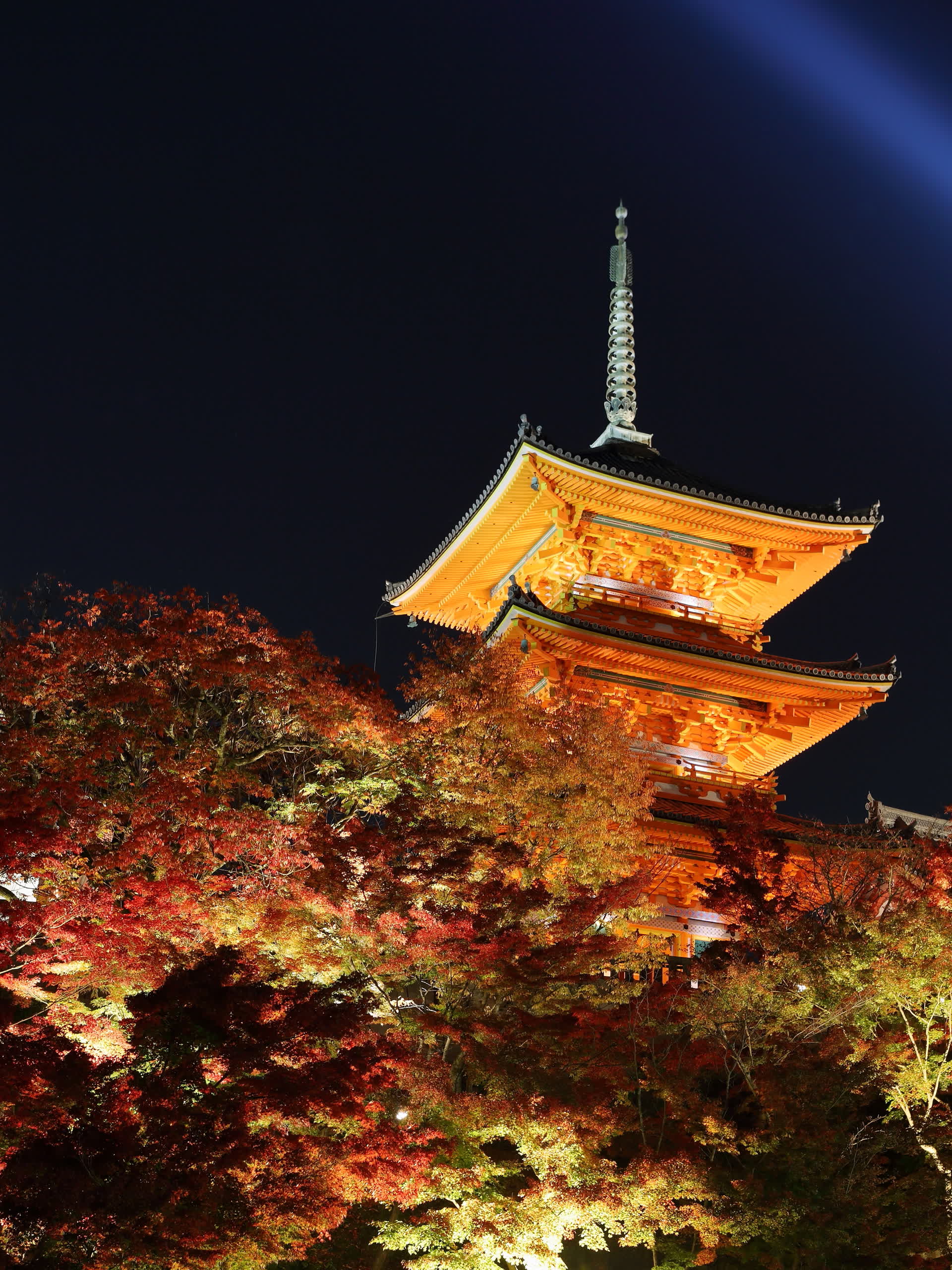
The fundamentals around it are just as strong. Two stances — one-handed for speed, two-handed for power — with mid-combo switching the game simply assumes you'll learn. Capcom brought in real-life swordsmen for motion capture, consulted temple officials at Kiyomizu-dera for an authentic feudal Kyoto, and cast Miyamoto Musashi with Toshiro Mifune's licensed likeness, which gives the whole production a cinematic weight most action games can't buy. The RE Engine work is generational: Kyoto looks like a woodblock print that learned to move.
The Switch 2 Version Is the Best One
Here's the genuinely surprising part. The Nintendo Switch 2 version — the one running at the lowest output resolution — is the best-reviewed version of the game at 90 on Metacritic, against 85 on PS5 and 83 on both PC and Xbox Series X/S. IGN handed it a 10/10; Nintendo Life and Push Square both went 9/10; Shacknews matched them. Handheld ports of engine-heavy games are supposed to be the compromise version. This one outscores its siblings, which says everything about how well Capcom scaled the RE Engine down without gutting what makes the combat sing.
The spread isn't all sunshine. VGC's 3/5 and GamesRadar+'s 3.5/5 show the critical consensus has real edges, and those edges are worth naming.
Where It Stumbles
The back half. Multiple outlets flagged the same problem: enemy designs get recycled, bosses repeat, and the game's fixed arenas start to feel like rooms you've already cleared — because you have. The roughly 20-hour campaign is tightly paced until it isn't, and the linear, boxed-in level design feels proudly mid-2000s in a way that's charming for about twelve hours and wearying after that. Side content is thin enough that completionists will finish everything in one focused weekend and wonder where the rest went.
None of this sinks the game, because the combat stays compelling enough to carry you through the repetition — but it's the difference between an 8.5 and a 9.5.
Verdict
Onimusha: Way of the Sword is a genuine comeback and, alongside Castlevania: Belmont's Curse, proof that 2026 is the year legacy action franchises remembered how to be great. The Issen system alone is worth the price of admission, the presentation is best-in-class, and the Switch 2 port is a small technical miracle. Dock it half a point for the recycled back half and thin extras, and you're left with one of the year's essential action games. Twenty years was a long wait. Musashi made it worth the trouble.