
 9.0
9.0
Reviews
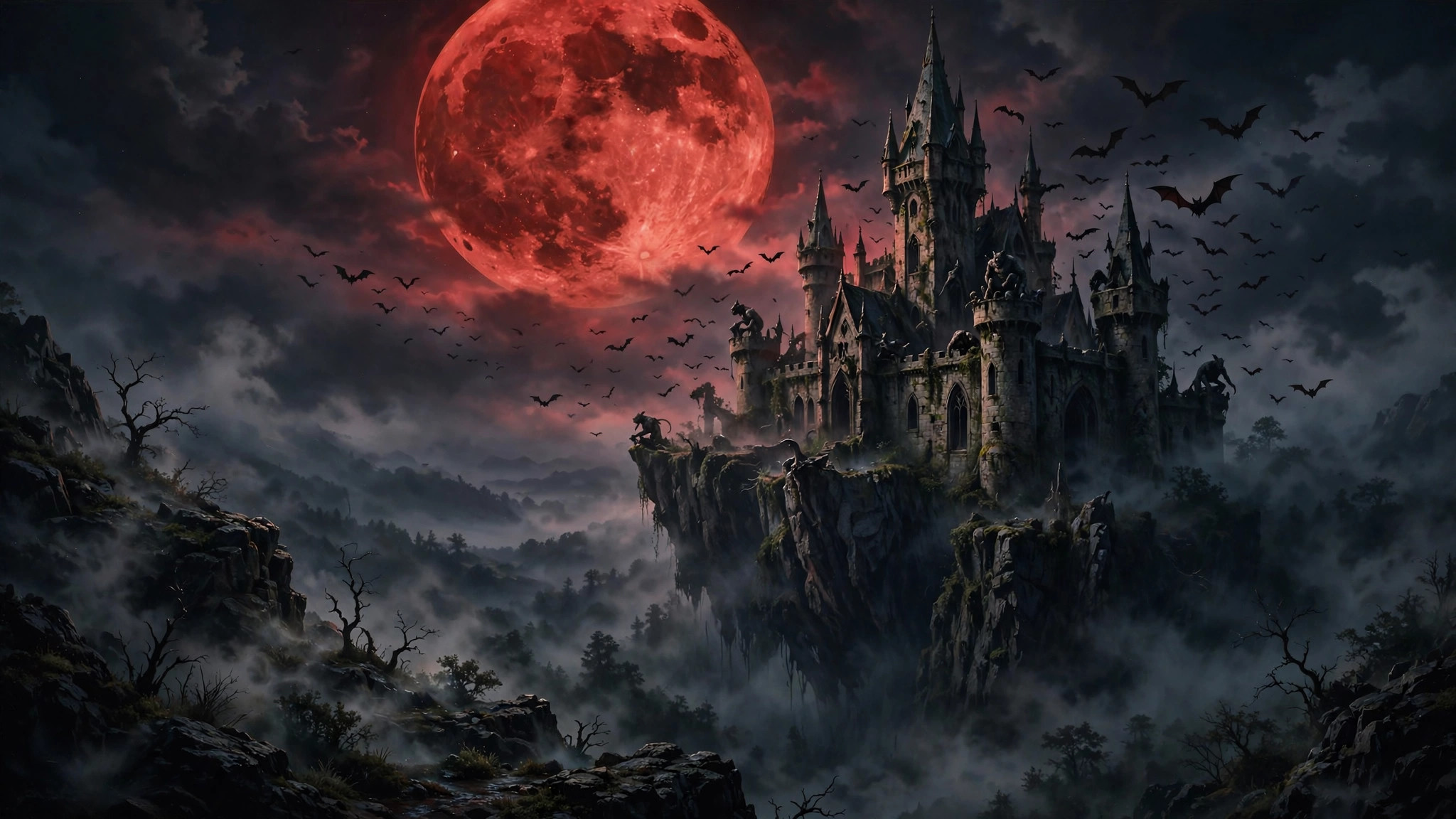
Castlevania Belmont's Curse Review — The Best Vampire Hunt in Two Decades
Illustration: AS Gaming
8.5
Strengths
- The tarot card system gives combat and builds real variety — experimenting with card combinations is the game's best hook.
- Exploration is dense and rewarding: 1499 Paris and the castle are packed with secrets that make backtracking genuinely fun.
- Evil Empire's animation craft and the sweeping soundtrack make this feel like a proper 40th-anniversary celebration.
Weaknesses
- Boss fights are wildly inconsistent — a few are brick walls while many others are total pushovers.
- Controls can feel slightly unresponsive at critical moments, causing cheap deaths that are not your fault.
- If you have played the recent genre standouts, few ideas here feel truly new.
Castlevania: Belmont's Curse launches tomorrow, October 15, 2026, for $29.99 on PC, PS5, Xbox Series X|S, and Nintendo Switch — and it is, by every available measure, the best Castlevania in two decades. Built by Evil Empire, the Dead Cells and Rogue Prince of Persia team, with advisory help from Motion Twin and published by Konami, this castlevania belmont's curse review digs into why an 86 on Metacritic and a 10/10 from GameSpot might actually undersell it — and where it stumbles.
Castlevania Belmont's Curse Review: Setup and Tarot Cards
You play Rose Belmont in 1499 Paris, a city engulfed in flames as monsters pour from the shadows. You fight through the burning streets and up into the looming castle at the city's heart — a structure that earns its place in the series' long lineage of great final areas. It is a strong premise executed with real visual confidence, and the 40th-anniversary occasion clearly meant something to the people who made it.
The headline mechanic is the tarot card system, which layers build variety onto the combat. Cards modify your whip techniques, movement options, and defensive tools, and swapping combinations mid-run is where the game finds its identity. This is not a gimmick bolted onto a Metroidvania — it is the spine of the whole combat design, and it gives experimentation a constant reward loop. A free demo dropped on October 1 across all platforms with progress carrying into the full game, which tells you how confident Konami is about the first two hours.
Combat That Rewards Experimentation
The whip work here is the best the series has felt in 3D-adjacent space. Rose's animations have real weight — every swing reads clearly, cancels feel fair, and the tarot modifiers change your approach in ways that matter. A card that turns your backdash into an attack reframes how you handle crowds; one that banks damage into your next heavy hit makes boss openings a resource to manage.
Evil Empire's animation pedigree shows in every frame. Enemies telegraph cleanly, the parry timing is generous without feeling automatic, and the soundtrack — all sweeping strings and cathedral organs — does genuine heavy lifting during the castle stretch. This is a studio that understands game feel at a cellular level, and Konami was smart to hand them the keys for the anniversary.
Exploration is the other pillar, and it holds. 1499 Paris is dense with secrets: breakable walls that actually hide things worth finding, vertical routes that reward the double-jump the moment you earn it, and a map that fills in at a satisfying pace. Backtracking, the thing that kills lesser Metroidvanias, is fun here because the tarot system means you return to old areas as a meaningfully different fighter. Compared to other recent scores on this site — Gears of War: E-Day earned its marks on spectacle, Ace Combat 8 on precision — Belmont's Curse earns its 8.5 on craft.
Where the Curse Shows: Bosses, Controls, and Familiarity
The boss design is the game's most frustrating inconsistency. A handful of fights — the cathedral bell-ringer and the late-game mirror duel — are genuinely great tests of everything the tarot system teaches. But too many others are pushovers that fold to a single card combination, and two difficulty spikes feel less like design and more like stat checks. In a series famous for its boss fights, this unevenness stings.
Then there are the controls. Most of the time they are crisp, but at critical moments — a frame-perfect dodge off a ledge, a parry during a screen-filling attack — inputs occasionally fail to register, and the resulting deaths feel cheap rather than earned. Push Square's 7/10 flagged exactly this, and they are not wrong, even if the rest of their complaints undersell the package.
And yes: if you have played the recent genre standouts, few ideas here feel truly new. VGC's 6/10 called the core design a decade behind, which is harsh — the tarot system is a real addition — but the underlying structure is the Metroidvania template executed very well rather than reinvented. Genre veterans will see the bones through the skin.
The Verdict: 8.5
Here is the scoreboard: Metacritic sits at 86 overall (85 on PC, 86 on PS5, 88 on Xbox Series X|S), with 97 percent of critics recommending it on OpenCritic. The individual scores:
- GameSpot, Shacknews, and PlayStation Universe: 10/10
- RPGFan: 97/100
- DayOne: 9.5/10
- Game Informer: 9.25/10
- Radio Times: 8/10
- Famitsu: 32/40
- Push Square: 7/10 — a good Metroidvania, but unresponsive controls and little new for genre veterans
- VGC: 6/10 — great to look at, but the core design feels a decade behind
The dissenters are arguing about the margins of a consensus, not against it.
Context matters: this is the highest-rated Castlevania since 2005's Dawn of Sorrow. Only Symphony of the Night, Aria of Sorrow, Circle of the Moon, and Dawn of Sorrow itself rank higher in the series' history. For a franchise that spent a decade in the wilderness, that is not just a good review cycle — it is a resurrection. At $29.99, with demo progress carrying over, there is no reason not to take the hunt.